










Guni SMS

The Future of Business Messaging: Why Your Business Needs a Powerful SMS API and Seamless Integrations

sms gateway

In the rapidly evolving landscape of 2026, the way businesses communicate with their customers has undergone a seismic shift. Gone are the days when a simple email newsletter or a static “Contact Us” page sufficed. Today, the bridge between a brand and its audience is built on immediacy, reliability, and automation.


As consumer attention spans continue to shorten and the “noise” of digital marketing grows louder, one channel has consistently remained the most effective: SMS. But for the modern enterprise, sending manual texts is a relic of the past. The future lies in the SMS API—the engine that powers high-volume, automated, and integrated communication.

The Rise of the "Instant Response" Culture

When to use Text messaging vs. Email?

We live in an era of instant gratification. Whether a customer is waiting for a password reset, a shipping update, or a reply to a support query, the clock starts ticking the moment they hit “submit.”


Research consistently shows that 98% of SMS messages are opened, with 95% being read within the first three minutes. Compared to the dwindling open rates of email—often hovering around 20%—SMS is the only channel that guarantees your message won’t just be sent, but actually seen.


However, achieving this at scale requires more than just a mobile phone; it requires a powerful SMS API.

email to sms

What is an SMS API, and Why Does it Matter?

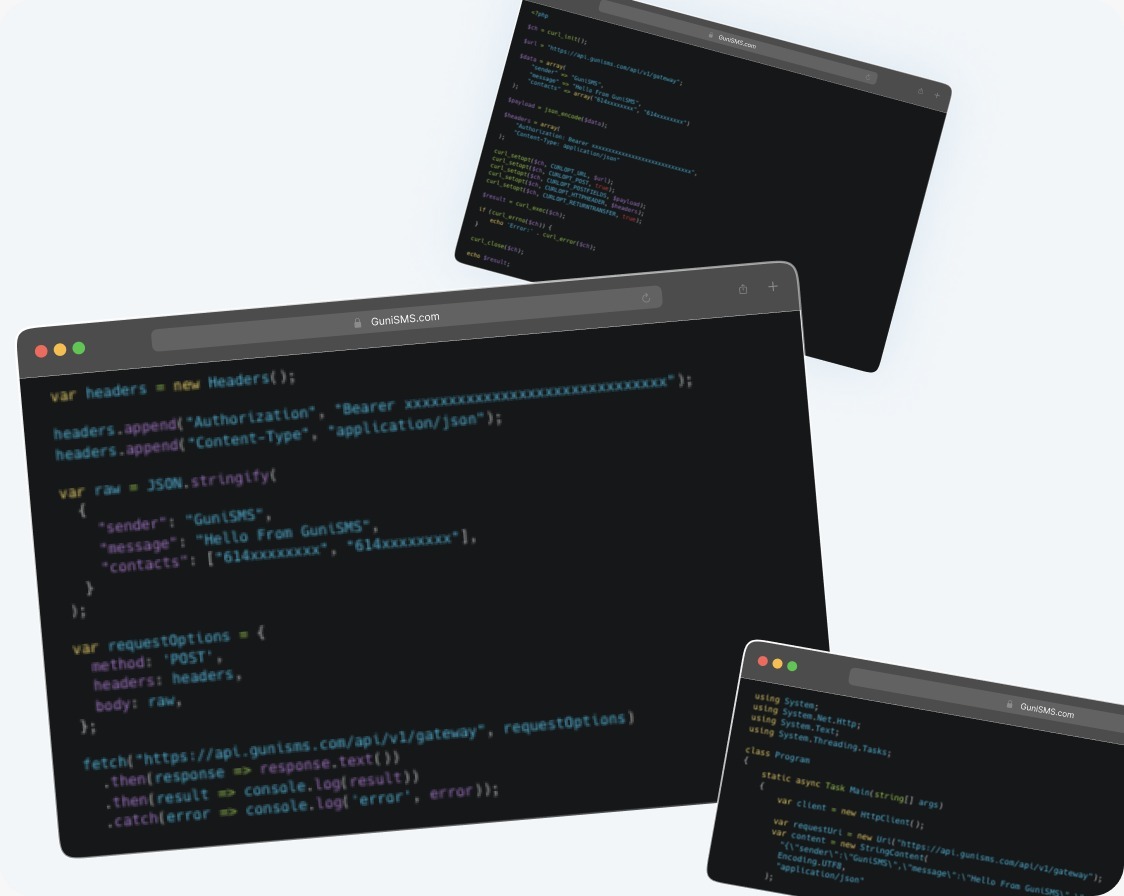
An SMS API (Application Programming Interface) is essentially a set of instructions that allows your existing software—whether it’s your CRM, website, or mobile app—to connect directly to a telecommunications gateway.


Instead of a human being typing out a message, your system “talks” to the API, which then dispatches the message to the recipient’s handset. This simple technological bridge unlocks a world of possibilities:


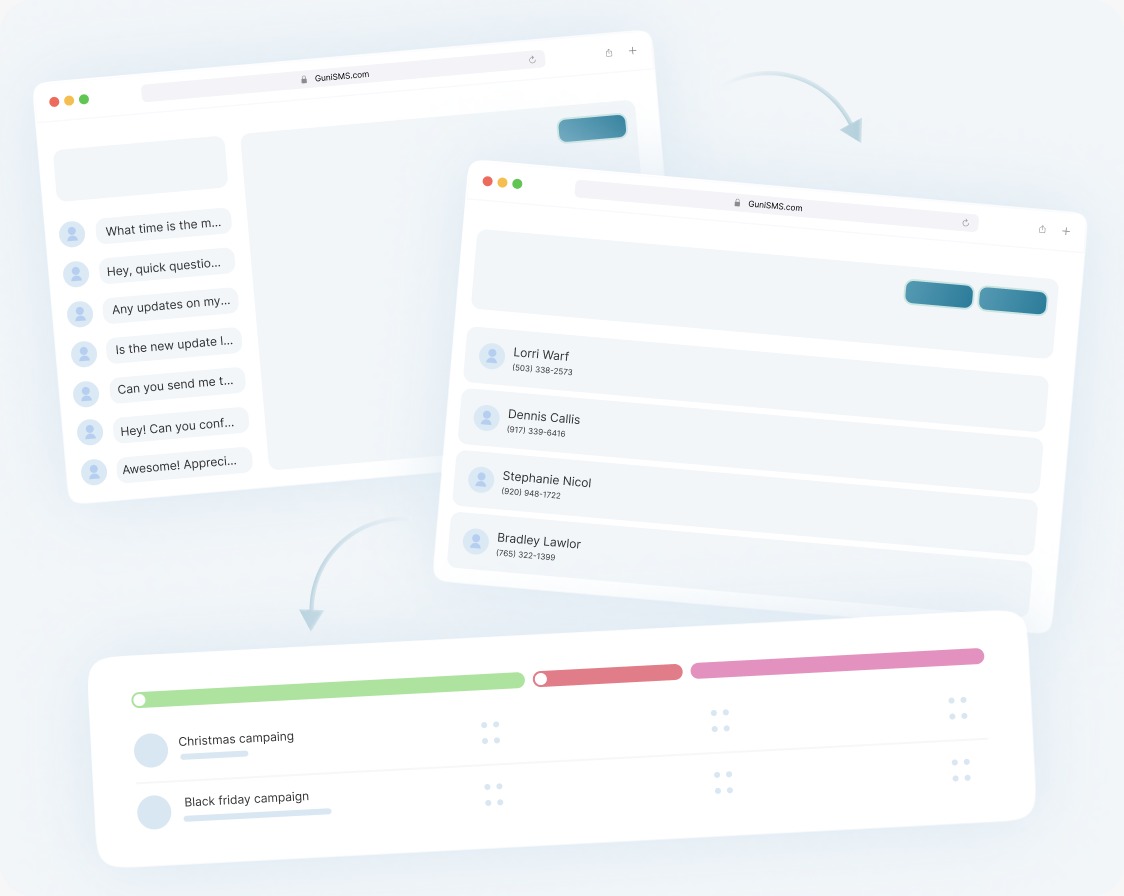
Bulk SMS Australia platform dashboard

1. Automation at Scale

Imagine a retail business during a Black Friday sale. Manually texting thousands of customers about a flash deal is impossible. With an SMS API, you can trigger thousands of personalized messages in seconds.

  •  
  • 2. Transactional Reliability

    When a user requests a One-Time Password (OTP) for a bank login, every second counts. An API ensures that the message is sent instantly, via direct carrier routes, ensuring the highest possible deliverability.


3. Two-Way Conversations

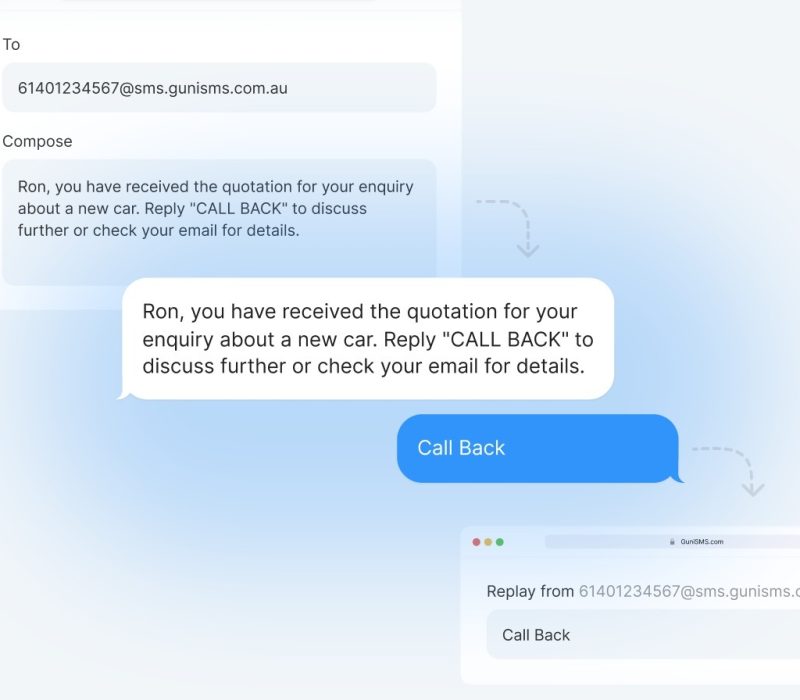
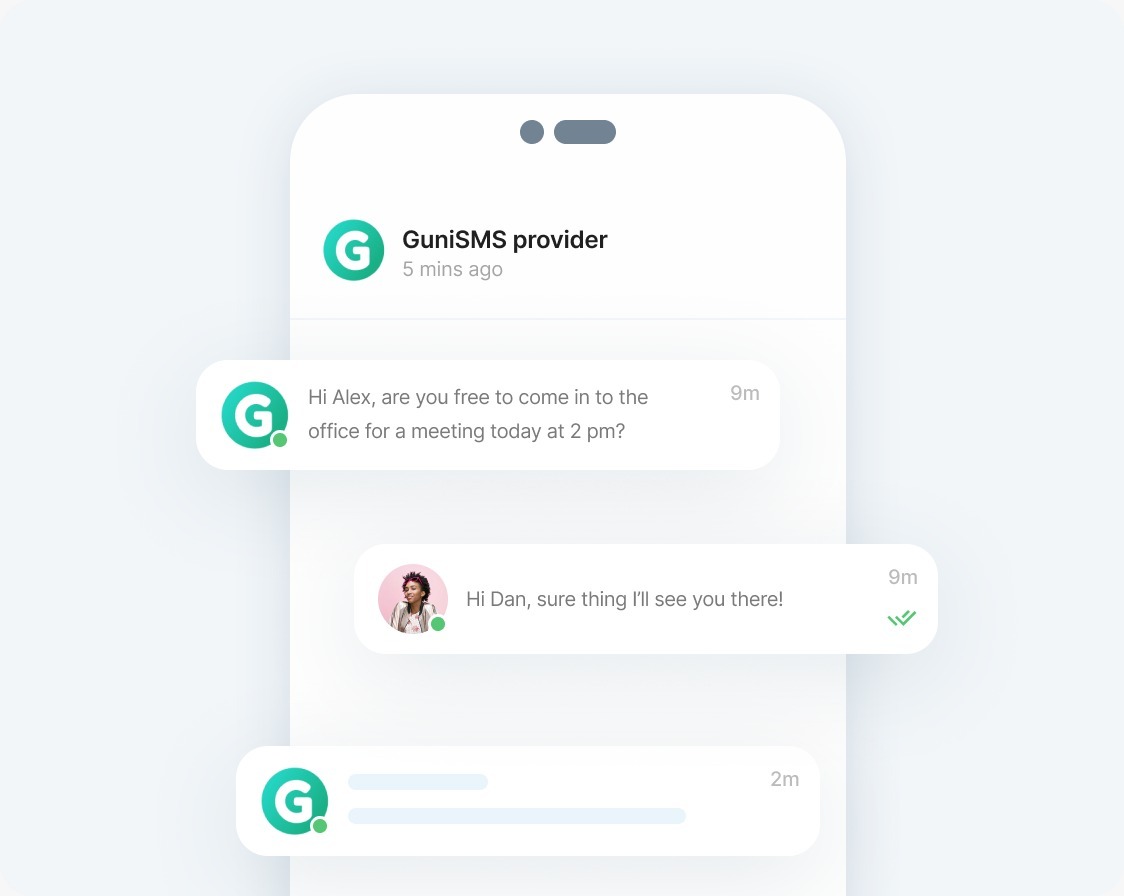
Modern APIs don’t just “blast” messages out; they allow for “conversational” commerce. When a customer replies to an automated appointment reminder, the API can route that reply back into your support dashboard, allowing for a seamless human-to-human interaction if needed.


SMS Marketing

The Power of Seamless Integrations

A powerful API is only as good as the systems it connects to. This is where seamless integrations become the true competitive advantage.


In 2026, businesses no longer operate in “silos.” Your marketing team, sales team, and customer support team all need to see the same data. By integrating SMS capabilities directly into the platforms you already use, you create a unified communication ecosystem.

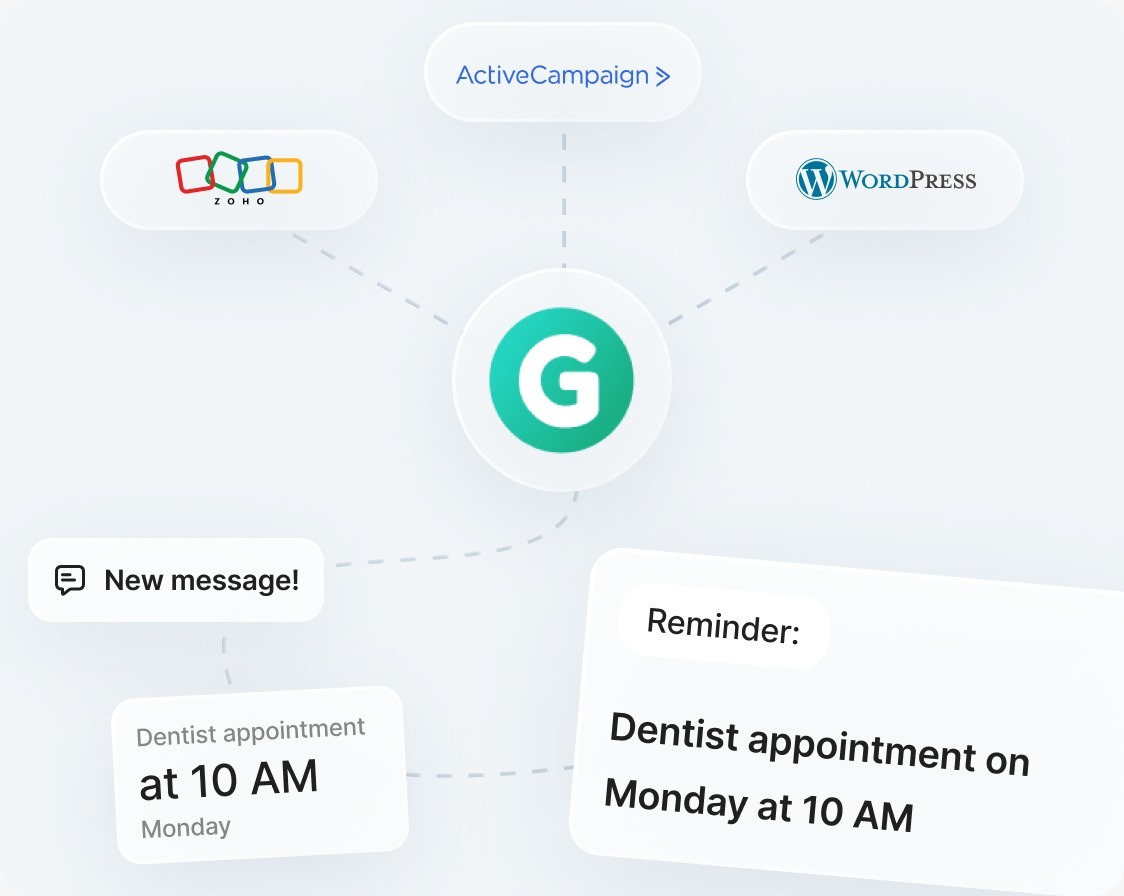
SMS for CRM (e.g., Zoho, HubSpot, Salesforce)

Integrating SMS into your CRM is perhaps the most transformative step a business can take. Imagine your sales rep moving a lead from “Qualified” to “Negotiation” in Zoho. That action can trigger an automatic text to the lead: “Hi Sarah, it was great speaking today! I’ve sent the proposal to your email. Feel free to text me here with any questions.”


This level of “hyper-personalization” makes the customer feel valued while requiring zero manual effort from the salesperson.

E-commerce and Logistics

For e-commerce brands, integration means that the moment a package is scanned at a warehouse, a text is automatically triggered. By integrating with platforms like Shopify or Magento, you keep the customer informed at every step of the journey, drastically reducing “Where is my order?” (WISMO) inquiries.

Why "Future-Proofing" Means Switching Now

Many businesses hesitate to adopt an API-driven approach because they fear the technical complexity. However, in 2026, the barrier to entry has never been lower. Modern SMS providers offer “low-code” or “no-code” integration options that allow businesses to go live in minutes rather than weeks.


Furthermore, the introduction of RCS (Rich Communication Services) is turning standard text messages into “app-like” experiences. With RCS, you can send high-resolution images, interactive buttons, and even allow customers to complete a purchase entirely within the messaging app. A powerful SMS API is the only way to leverage these emerging rich-media features.


Security, Compliance, and Trust

In the age of data breaches and “spam” fatigue, trust is a business’s most valuable currency. A professional SMS API provider ensures that your communication remains compliant with local regulations (such as the TCPA in the US or the Privacy Act in Australia).


By using dedicated Sender IDs and local Australian numbers, you signal to your customers that you are a legitimate brand. When a message comes from a recognized business name rather than a random 10-digit number, the trust levels—and conversion rates—skyrocket.

Conclusion: The Road Ahead

The future of business messaging is not just about “sending a text.” It is about creating a frictionless, automated, and deeply personal experience for every customer.

By implementing a powerful SMS API and embracing seamless integrations, your business can move beyond the limitations of manual communication. You can automate the “boring” stuff—reminders, alerts, and confirmations—and free up your human team to focus on building meaningful relationships.

The question is no longer if your business needs an SMS API, but how fast you can integrate it. In a world where the fastest response wins, don’t let your business be left on “read.”